Do Air Purifiers Really Work?
Jan 24, 2022
The answer is: Yes, but it also depends on the air purifier or air filter you choose.
1. Passive purification (filter purification)
The main principle of the passive air purifier is: use a fan to draw air into the machine, and filter the air through the built-in filter, which can mainly play the role of filtering dust, peculiar smell, toxic gas and killing some bacteria.
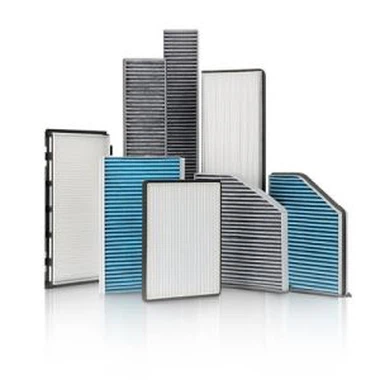
The filter is divided into: dust collection filter, formaldehyde removal filter, deodorization filter, HEPA filter, etc. Among them, the HEPA filter has a relatively high cost, which is very effective in filtering particulate matter, and can decompose toxic gases and sterilize, and can inhibit secondary air pollution.
2. Active purification (no filter type)
The fundamental difference between the principle of active air purifier and the principle of passive air purification is that active air purifier gets rid of the restrictions of fans and filters, instead of passively waiting for indoor air to be drawn into the purifier for filtration and purification. Instead, it effectively and actively releases purification and sterilization factors into the air. Through the characteristics of air diffusion, it reaches all corners of the room to purify the air without dead ends.
3. Double purification (active purification + passive purification)
This purifier is actually a combination of passive purification technology and active purification technology. The filter is the core component of the air purifier, and its quantity and material have a great impact on the purification effect. At present, the air purifier filters on the market generally only have three or four layers, and some better products have five or six layers. Among them, there are mainly five types of mainstream filters for air purifiers, including pre-filters, washable deodorizing filters, formaldehyde removal filters, HEPA filters and humidification filters.